Seasonal Financial Planning: Preparing for Dubai's Economic Trends


Understanding Dubai's Economic Landscape
Dubai's economy is renowned for its dynamic nature, with influences ranging from global market trends to local policy changes. As a financial hub, the city offers myriad opportunities for investors, businesses, and individuals. However, effectively navigating these opportunities requires strategic financial planning, particularly with the city's seasonal economic fluctuations.
Seasonal financial planning involves anticipating and preparing for economic changes that occur at specific times of the year. For Dubai, these changes can be driven by factors like tourism, retail cycles, and international trade. Understanding these trends is crucial for making informed financial decisions.
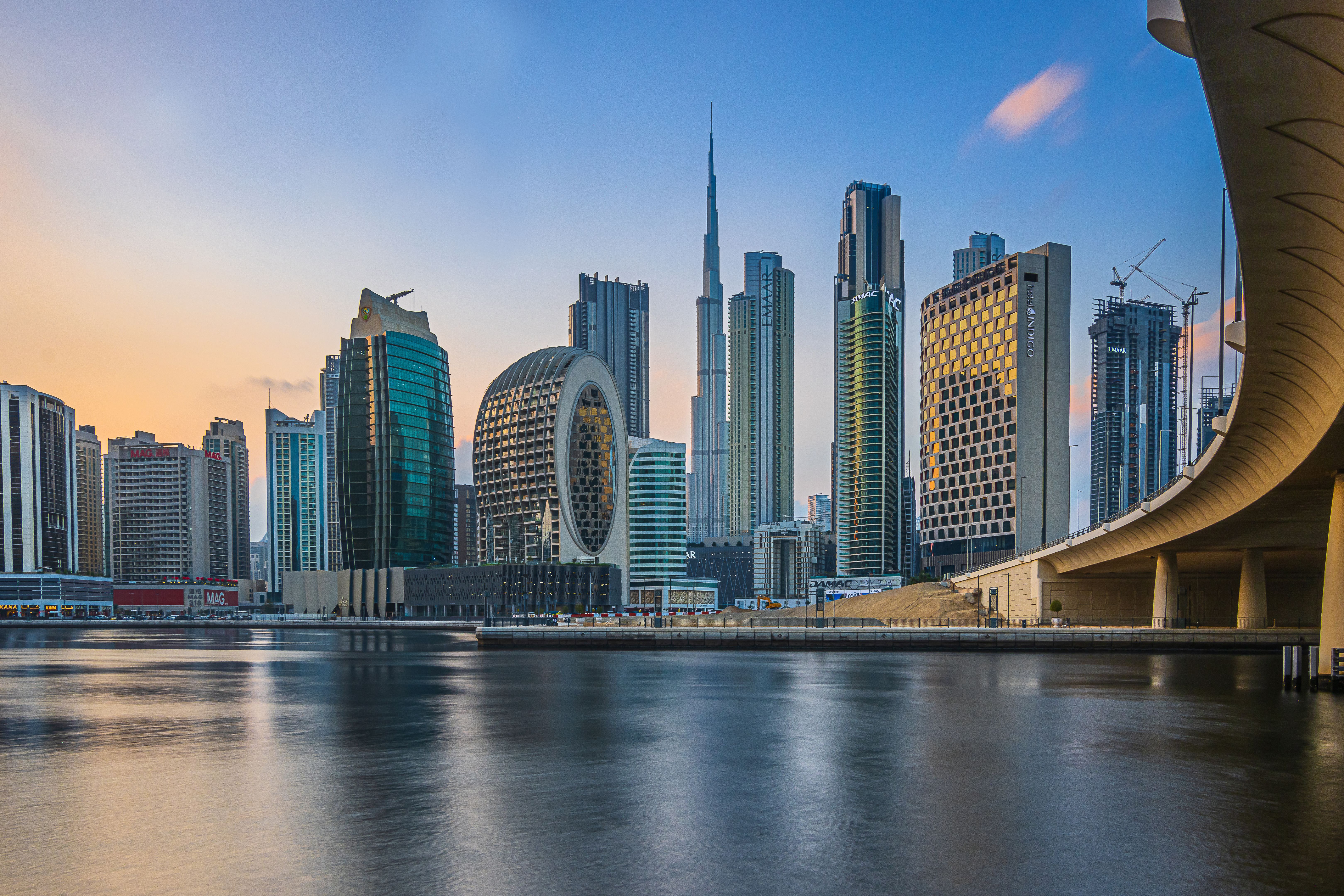
Key Economic Seasons in Dubai
Dubai's economy experiences several key seasons, each bringing its own set of challenges and opportunities. The tourism season, peaking during the cooler months, significantly boosts sectors like hospitality, retail, and transport. Businesses in these sectors can anticipate increased revenue, but they must also plan for potential slowdowns in the off-season.
Another crucial period is the shopping festival season, which attracts visitors from around the globe and stimulates retail activity. This season is ideal for businesses to launch new products or promotions, leveraging the influx of consumers eager to spend.
Impact of Global Trade
Dubai's strategic location as a trade gateway means its economy is heavily influenced by global trade dynamics. Seasonal shifts in international markets can impact local industries, necessitating adaptable financial strategies. By staying informed about global economic trends, businesses can better anticipate changes in demand and supply chains.

Strategies for Effective Seasonal Planning
To effectively prepare for Dubai's economic trends, businesses and individuals should consider several strategies. Firstly, conducting regular market analyses can provide insights into upcoming seasonal shifts, allowing for proactive adjustments in operations and investments.
- Diversification: Spread investments across different sectors to minimize risk.
- Cash Flow Management: Ensure liquidity during slower periods by monitoring and adjusting cash flow.
- Adaptability: Be ready to pivot strategies in response to unexpected economic changes.
In addition to these strategies, leveraging technology and data analytics can enhance decision-making. Tools that analyze consumer behavior and market trends can provide valuable foresight into upcoming economic shifts.

Role of Government Policies
Government policies play a significant role in shaping Dubai's economic environment. Understanding policy changes and regulatory updates is essential for businesses aiming to align with the country's economic objectives. Staying informed about tax regulations, trade agreements, and economic reforms can provide a competitive edge.
Collaborating with financial advisors or consultants familiar with Dubai's economic landscape can also be beneficial. These professionals can offer tailored advice and insights, helping businesses and individuals optimize their financial strategies for seasonal trends.
Conclusion: Embracing Economic Opportunities
Seasonal financial planning in Dubai requires a comprehensive understanding of the city's unique economic landscape. By anticipating economic trends and implementing strategic measures, businesses and individuals can effectively capitalize on opportunities while mitigating risks. As Dubai continues to grow and evolve, staying informed and adaptable will be key to thriving in this vibrant economic hub.